
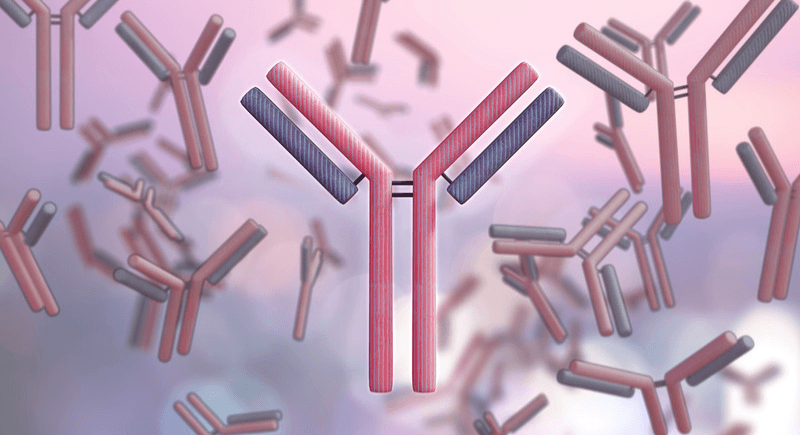
Secretory immunoglobulin A, usually shortened to secretory IgA or sIgA, is one of the most important parts of the immune defence system protecting the surfaces of the digestive tract. But sIgA does much more than simply fight infections.
It works at the interface between your immune system, intestinal lining and gut microbiome, helping your body manage the microbes, food particles and other substances it encounters every day. For this reason, sIgA is sometimes measured as part of comprehensive stool testing. When the result is unusually low or high, it can provide a useful clue that something within the gut environment deserves further investigation.
However, an abnormal sIgA result is a red flag, not a diagnosis. Low sIgA does not automatically mean poor immunity, and high sIgA does not necessarily mean that you have an infection or inflammatory condition. The result needs to be interpreted alongside your symptoms, health history and other gut markers.
The more useful question is not simply: “How can I increase or decrease my sIgA?” It is: “Why might my sIgA be abnormal, and what does the rest of my health picture tell us?”
That is where we begin to connect the dots.
Article update: First published in 2015, this article has been substantially reviewed and updated in 2026 to reflect current research and my evolving clinical understanding of secretory IgA, mucosal immunity and gut health. It now includes expanded information on interpreting low and high faecal sIgA, laboratory testing, the gut microbiome, intestinal barrier function, stress and practical support.
Quick Answer: What Is Secretory IgA?
Secretory IgA is an antibody found predominantly in the secretions that protect the body’s mucosal surfaces, including the digestive, respiratory and genitourinary tracts, as well as saliva and breast milk. In the gut, sIgA forms part of the body’s mucosal immune system, the specialised immune defence that operates along the intestinal lining. Its functions include helping to:
- Bind potentially harmful microbes and toxins
- Prevent some microorganisms from attaching to and penetrating the intestinal lining
- Trap antigens and microbes within the mucus layer so they can be removed
- Regulate interactions between the immune system and the gut microbiome
- Support immune tolerance and intestinal homeostasis
This process is sometimes described as immune exclusion: the immune system helps contain potentially problematic material before it crosses the intestinal barrier and provokes a larger inflammatory response. Modern research therefore gives us a much more sophisticated picture of sIgA than simply describing it as the gut’s “first line of defence.” It also helps us live successfully with the enormous microbial community inside the gut.
What Does sIgA Actually Do in the Gut?
The intestinal lining has a difficult job. It needs to allow nutrients and other useful substances to pass through while keeping potentially harmful microbes, toxins and antigens where they belong. At the same time, the immune system must avoid mounting unnecessary inflammatory responses against harmless food components and the many microorganisms that normally live in the digestive tract. sIgA helps maintain this balance.
It interacts with bacteria and other antigens within the intestinal lumen and mucus layer, helping limit direct contact between microbes and the epithelial cells lining the intestine. Research also shows that IgA helps shape the composition, location and behaviour of the intestinal microbiota. This relationship works in both directions:
The gut microbiome helps influence IgA production, while IgA helps regulate the microbiome. This is why I prefer to think about sIgA as part of a much larger mucosal ecosystem rather than as an isolated immune marker. Healthy mucosal immunity depends on an ecosystem, not one laboratory marker. sIgA works alongside:
- The mucus layer: This provides a physical and biochemical barrier between intestinal microbes and the cells lining the gut.
- The intestinal epithelium: These tightly connected cells control what crosses from the gut into the body.
- The gut microbiome: Resident microorganisms communicate continuously with both the intestinal lining and immune system.
- The mucosal immune system: Immune cells and signalling molecules determine when to tolerate, contain or respond to what the gut encounters.
These systems influence one another constantly. When we find an abnormal sIgA result, therefore, we should not immediately ask which supplement will “fix” it. We need to consider what may be happening within this wider intestinal environment.
The terrain matters.
By “the terrain”, I mean the wider environment in which the gut and immune system are functioning: the microbiome, mucus layer, intestinal barrier, nutritional status, inflammation, nervous system and other factors that influence mucosal health. Rather than focusing on one organism or laboratory marker in isolation, we look at the conditions surrounding it and how those different pieces interact.
Serum IgA, Salivary sIgA and Faecal sIgA Are Not the Same Test
This distinction is particularly important because the term IgA is often used as though every IgA measurement tells us the same thing. It does not. IgA can be measured in blood as well as in mucosal secretions such as saliva and stool. These measurements provide different information and should not be used interchangeably.
Understanding Different IgA Measurements
| Measurement | What it reflects | Common use | Important limitation |
|---|---|---|---|
| Serum IgA | IgA circulating in the blood | Conventional medical assessment of immune function, including investigation of IgA deficiency | Does not directly measure intestinal sIgA |
| Salivary sIgA | IgA secreted at oral/upper mucosal surfaces | Frequently used in research examining stress, exercise and mucosal immunity | Cannot be assumed to represent faecal sIgA |
| Faecal sIgA | Secretory IgA recovered from intestinal contents | Used in some comprehensive stool tests to assess aspects of intestinal mucosal immune activity | Must be interpreted using the laboratory’s own method and reference range |
This distinction becomes particularly important when reading research. For example, much of the research examining the relationship between stress and sIgA measures salivary sIgA. Those findings can help us understand mucosal immune physiology, but we should not automatically assume that the same numerical changes occur in faecal sIgA.
Is Low Faecal sIgA the Same as IgA Deficiency?
No. This is an important distinction.
Selective IgA deficiency is a recognised medical immunodeficiency diagnosed using serum IgA in the blood, together with other immunological criteria. It is not diagnosed from a low faecal sIgA result. International consensus defines selective IgA deficiency in people over four years of age as serum IgA below 7 mg/dL (0.07 g/L) with normal levels of IgG and IgM after other causes have been excluded.
IgG and IgM are other major classes of antibodies (immunoglobulins). IgG is the most abundant antibody in the blood and provides an important part of longer-term immune protection, while IgM is often produced early in an immune response. Measuring these alongside IgA helps clinicians determine whether an abnormal result is isolated to IgA or forms part of a broader immune problem.
People with selective IgA deficiency may experience recurrent respiratory or gastrointestinal infections, allergies or autoimmune conditions, although some people have few or no symptoms. A low faecal sIgA result therefore should not be interpreted as evidence that you have selective IgA deficiency.
If your health history suggests a broader immune deficiency, this requires appropriate medical investigation rather than interpretation of a stool result alone.
Understanding Your Faecal sIgA Test Result
Faecal sIgA is included in a number of comprehensive stool tests used in functional and integrative healthcare. One of the most common questions I have received over the years is: “My sIgA is 400… 800… 2,500… what does that mean?”
The number alone is not enough. Before interpreting a result, we need to know:
- Which laboratory performed the test?
- What units did the laboratory use?
- What reference range appears on that particular report?
- What other gut markers were abnormal?
- What symptoms and health history accompany the result?
This is especially important because laboratories use different testing methods, units and reference intervals.
Examples of Faecal sIgA Reference Ranges
| Laboratory / Test | Example Reference Range | Units |
|---|---|---|
| Genova Diagnostics: GI Effects | ≤2,040 | mcg/mL |
| Diagnostic Solutions Laboratory: GI-MAP | 510–2,010 | µg/g |
| NutriPath Pathology | 510–2,040 | ng/mL |
Genova’s current GI Effects reporting also graphically displays approximately 680–2,040 mcg/mL within its reference distribution. Diagnostic Solutions currently reports 510–2,010 µg/g for GI-MAP. The NutriPath range above is from current laboratory reporting.
Why You Shouldn’t Compare Your Number With Someone Else’s
Notice something interesting about the table. The Diagnostic Solutions and NutriPath ranges look remarkably similar numerically: 510–2,010 versus 510–2,040. But one is expressed as µg/g and the other as ng/mL. Those numbers therefore cannot simply be compared as though they represent the same measurement. The same problem occurs when people compare current results with older stool tests. Laboratory methods, reporting units and reference ranges can change over time.
Important: Always interpret your sIgA result using the reference range provided by the laboratory that performed your test. Results from different laboratories should not be directly compared.
So What Does the Number Actually Tell Us?
This is where sIgA becomes clinically useful. I don’t regard an abnormal faecal sIgA result as less important simply because it cannot diagnose a particular disease. Quite the opposite.
When sIgA is clearly outside the laboratory reference range, I regard it as a red flag that something within the mucosal immune environment may deserve further investigation. The result may lead us to look more closely at:
- The microbiome
- Gastrointestinal infections or parasites
- Inflammatory and intestinal barrier markers
- Nutritional status
- Stress and nervous system influences
- Medications
- Symptoms, health history and other stool test findings
The aim is not to diagnose from the sIgA number. It is to ask: What else is happening here? A low or high sIgA result can take on very different significance depending on what appears alongside it.
What Does Low sIgA Mean?
A low faecal sIgA result suggests that mucosal immune activity or secretory defence may be reduced at the time of testing. Because sIgA helps limit contact between microbes, antigens and the intestinal lining, persistently low levels may leave one part of the gut’s protective system less effective. However, a low result does not tell us why this has happened. This is where we need to look beyond the number.
Low sIgA may occur alongside or prompt us to investigate factors such as:
- Altered gut microbiome or dysbiosis
- Gastrointestinal infections or persistent microbial challenges
- Nutritional inadequacy
- Prolonged physiological or psychological stress
- Disturbances in the intestinal barrier
- Medications that influence immune or inflammatory activity
- Wider immune dysfunction in appropriate clinical circumstances.
Because the microbiome and IgA influence one another, low sIgA and an unhealthy gut environment can potentially reinforce each other rather than fitting neatly into a single cause-and-effect sequence.
Does Low sIgA Mean Your Immunity Is Low?
Not necessarily. It is tempting to translate a low result into “low immunity”, but the immune system is far too complex for this. Faecal sIgA tells us about one aspect of intestinal mucosal immunity. It does not measure the strength of your entire immune system. However, when a low result occurs alongside recurrent gastrointestinal infections, persistent dysbiosis, nutritional deficiencies or other relevant findings, reduced mucosal immune resilience becomes more clinically meaningful. This distinction can be particularly useful with gastrointestinal infections and parasites.
sIgA and Giardia
Giardia (Giardia lamblia), an infection I see quite often in practice, is a good example of why both the organism and the host environment matter. An effective mucosal immune response, including IgA activity, contributes to the body’s defence against intestinal pathogens. If someone has persistent or recurrent infection together with low sIgA and other signs of disturbed gut health, I would want to consider not only: “What organism is present?” but also: “How well is this person’s gut environment able to respond to it?”
A low sIgA result does not diagnose Giardia, nor does it prove that low sIgA caused the infection. The immune response to Giardia can also vary with the stage and circumstances of infection. But clinically, the combination can provide another clue that the host’s mucosal defences and wider gut terrain deserve attention.
This is an important distinction. Treating an infection is one part of the picture. Supporting the environment in which normal microbial and immune regulation can recover may be another.
What Does High sIgA Mean?
High sIgA deserves just as much attention as low sIgA. An elevated result may indicate that the mucosal immune system is more actively responding to something within the gut environment. Possible reasons to investigate include:
- Increased exposure to microbial or dietary antigens
- Gastrointestinal infection or pathogen exposure
- Dysbiosis or altered microbial ecology
- Intestinal inflammation
- Other forms of ongoing mucosal immune stimulation
Again, the result does not identify the cause. A high sIgA result cannot tell us which microorganism is involved, whether someone has inflammatory bowel disease or increased intestinal permeability, or whether a particular food is causing symptoms. It tells us that we may need to look further.
This is why I do not think of sIgA as a marker where higher is always better. Healthy mucosal immunity depends on an appropriate and regulated response. Too little activity may leave mucosal defences less effective, while increased activity may indicate that the immune system is responding to a challenge.
The goal is balance, not simply a higher number.
Low or High sIgA: What Should We Investigate?
An abnormal result becomes much more useful when we connect it with other information.
| Finding or clinical context | Why it may matter | What sIgA cannot tell us |
|---|---|---|
| Dysbiosis / altered microbiome | IgA and the microbiome regulate one another | Which microorganisms are responsible |
| Gastrointestinal infection | Pathogens can stimulate mucosal immune responses | Which infection is present |
| Parasites, including Giardia | Mucosal immunity contributes to defence against intestinal parasites | Whether a parasite is present or causing symptoms |
| Fungal/yeast imbalance | IgA participates in host-microbial interactions, including fungal ecology | Whether Candida or SIFO is present |
| Intestinal barrier dysfunction | sIgA forms part of the wider mucosal barrier system | Whether intestinal permeability is increased |
| Coeliac disease | IgA responses are important in coeliac disease and its conventional testing | Whether someone has coeliac disease |
| IBD / intestinal inflammation | Inflammation can alter the mucosal immune environment | Whether Crohn’s disease or ulcerative colitis is present |
| Stress | Nervous, endocrine and immune signalling can influence mucosal immunity | Whether cortisol is “high” or “low” |
| Nutritional inadequacy | Normal immune and epithelial function require adequate nutritional resources | Which nutrients are deficient |
This is also why other markers on a comprehensive stool test matter.
For example, when significant intestinal inflammation is suspected, faecal calprotectin is a much more established marker of intestinal inflammation than sIgA. Likewise, suspected coeliac disease, parasites or other gastrointestinal disorders require the appropriate investigations. sIgA can contribute context, but should not be asked to perform a diagnostic job better suited to another test.
Practitioner Insight
Look for the Pattern
In clinical practice, I rarely find the most useful information by looking at one marker in isolation. An abnormal sIgA result becomes more meaningful when we connect it with:
- Symptoms and health history
- The rest of the stool-test findings
- Evidence of dysbiosis, infection or inflammation
- Digestion and intestinal barrier function
- Nutrition and medications
- Stress, sleep and nervous system influences
Sometimes seemingly separate findings begin to make sense once we look at them together. That is the purpose of a marker such as sIgA: not to provide the whole answer, but to help us know where to look next.
sIgA, Intestinal Permeability and the Gut Barrier
sIgA is closely connected with intestinal barrier function, but the relationship is more complex than the old idea that: low sIgA = leaky gut. The intestinal barrier is not a single wall. It is a coordinated defence system involving:
- The gut microbiome
- The mucus layer
- Secretory antibodies such as sIgA
- Intestinal epithelial cells and their tight junctions
- Antimicrobial substances
- Immune cells and signalling molecules
sIgA contributes to this defence by binding microbes and antigens and helping limit their contact with and penetration through the intestinal epithelium. It can also trap material within mucus and facilitate its removal.
Can Low sIgA Contribute to Increased Intestinal Permeability?
Potentially, but it is better to think of low sIgA as one possible weakness within the wider mucosal defence system rather than a direct cause of increased intestinal permeability. If sIgA-mediated immune exclusion is reduced, microbes and antigens may have greater opportunity to interact with the epithelial surface. What happens next also depends on factors such as dysbiosis, inflammation, mucus integrity and tight-junction function.
Research in IgA deficiency supports the broader principle that impaired IgA-mediated mucosal defence can alter microbial containment and antigen handling. But a low faecal sIgA result does not prove someone has a “leaky gut.”
What About High sIgA?
High sIgA can also occur alongside barrier and microbiome disturbances. Greater exposure to microbial or other antigens may stimulate mucosal immune activity, so an inflamed, infected or dysbiotic gut environment may sometimes be accompanied by elevated rather than depleted sIgA. This reinforces an important point: neither low nor high sIgA diagnoses intestinal permeability. Instead, the result can help us decide whether the wider gut environment deserves further investigation.

Stress, the Nervous System and sIgA
Stress belongs in this article, but our understanding of the relationship between stress and sIgA has changed considerably over time. The digestive tract is in constant communication with the nervous, endocrine and immune systems through the gut-brain axis. Stress-related signalling through the autonomic nervous system, hypothalamic-pituitary-adrenal (HPA) axis and other pathways can therefore influence intestinal immune function. Research examining intestinal sIgA supports this biological connection, although much of the mechanistic evidence comes from animal studies.
However, the relationship is not as simple as: more stress → more cortisol → lower sIgA.
Acute and Prolonged Stress Can Behave Differently
Much of the human stress research has measured salivary rather than faecal sIgA, so we need to be careful not to treat the two measurements as interchangeable. Nevertheless, this research demonstrates something important about mucosal immunity: timing matters.
A 2024 meta-analysis of 1,025 adults found that acute psychological stress produced a temporary increase in salivary sIgA, peaking shortly after the stressor before returning towards baseline. Earlier research has also distinguished between immediate responses to stress, which may increase salivary sIgA, and delayed or prolonged stress responses, which may be associated with lower secretion. So, sIgA is better understood as part of a dynamic stress-response system rather than a simple marker of “high” or “low” cortisol.
Why Stress Still Matters for Gut Health
Although we cannot use a stool sIgA result to diagnose stress or adrenal function, prolonged stress can influence digestive function, gut motility, microbial ecology, immune signalling, sleep and intestinal barrier function. This is why stress regulation remains an important part of supporting gut health. The nervous system is part of the terrain in which the gut and immune system operate. Supporting nervous system regulation can therefore help create better conditions for digestive, microbial and immune functions to work together.
How Can We Support Healthy sIgA and Mucosal Immunity?
If your sIgA result is outside the laboratory reference range, it can be tempting to search for a supplement that will raise or lower the number. A more useful approach is to identify what may be contributing to the imbalance and support the wider mucosal environment. The following five steps provide a practical way to approach this.
Step 1: Investigate and Address the Underlying Drivers
The first question is not: “What can I take for my sIgA?” It is: “Why might my sIgA be abnormal?” Depending on your symptoms, health history and other test findings, this may involve investigating:
- Dysbiosis or significant changes in the gut microbiome
- Bacterial, parasitic or other gastrointestinal infections
- Intestinal inflammation
- Digestive dysfunction
- Intestinal barrier disturbances
- Nutritional inadequacies
- Medication effects
- Prolonged stress and other lifestyle influences
The significance of an abnormal sIgA result depends on what appears alongside it. A detected pathogen, for example, presents a different clinical picture from an isolated abnormal sIgA result, while elevated calprotectin warrants appropriate investigation for intestinal inflammation.
Treat what you find, rather than treating the sIgA number in isolation.
Step 2: Feed and Support the Gut Ecosystem
What we eat helps shape the microbial environment in which mucosal immunity operates. A varied, minimally processed diet containing plenty of plant foods provides different fibres and other compounds that can be used by gut microorganisms. Of particular interest are soluble and fermentable fibres. Many of these fibres are fermented by gut bacteria to produce short-chain fatty acids such as acetate, propionate and butyrate. These microbial metabolites communicate with intestinal and immune cells and help support the mucus layer and intestinal barrier.
Human research suggests that some prebiotic fibres can influence sIgA. In one controlled study, 12 weeks of galactooligosaccharides increased bifidobacteria and faecal sIgA in overweight adults. Other prebiotic studies have not produced the same response, reminding us that different fibres can have different effects. Useful food sources of soluble and fermentable fibres include:
- Oats and barley
- Beans and legumes
- Vegetables
- Fruit
- Nuts and seeds
- Resistant starch from foods such as cooked and cooled potatoes or rice
- Prebiotic-rich foods such as onions, garlic, leeks and asparagus
The goal is not to find the one “best” fibre for sIgA. It is to feed a diverse microbial ecosystem. For people with significant bloating, IBS or other digestive problems, fibre may need to be increased gradually according to individual tolerance. Fermented foods can also contribute useful microorganisms and fermentation products where they are well tolerated, although they should not be presented as a direct treatment for abnormal sIgA.
Explore our gut health and the microbiome support article: How to Improve Gut Health Naturally: Why 30 Plant Foods Per Week Changes Everything.
Step 3: Build the Nutritional Foundations for Mucosal Immunity
Normal immune function and intestinal repair require adequate nutritional resources. This is especially important in people who have progressively restricted their diets because of digestive symptoms or suspected food reactions. Removing more and more foods can sometimes reduce the very nutritional diversity needed to support recovery.
Protein
Adequate protein provides amino acids needed for immune proteins, enzymes, tissue repair and continuous renewal of the intestinal lining. Before adding an extensive supplement programme, it is worth asking a very basic question: Is the person eating enough nourishing food and adequate protein?
Vitamin A
Vitamin A has an important role in mucosal immunity, epithelial integrity and the regulation of intestinal IgA responses. I generally prefer to obtain vitamin A from food wherever possible. Sources include liver, eggs, dairy foods and oily fish, while colourful vegetables provide carotenoids that the body can convert to vitamin A. Cod liver oil is another concentrated source of preformed vitamin A, but amounts vary between products and more is not necessarily better. Preformed vitamin A can accumulate in the body, so total intake and individual circumstances matter.
Read more: Vitamin A: What You Must Know About This Vital Nutrient.
Zinc and Vitamin C
Zinc supports innate and adaptive immunity, tissue repair and intestinal barrier function, while vitamin C contributes to normal immune-cell function and antioxidant defence. Neither is a specific treatment for low sIgA. The aim is to ensure adequate intake and correct deficiency where it exists.
Read more: Natural Antibiotics and Immune Support.
Step 4: Consider Targeted Gut Support Where Appropriate
Once the foundations and likely drivers have been considered, some people may benefit from more targeted gut support. This should be guided by the individual pattern rather than assuming that everyone with abnormal sIgA needs the same probiotic or supplement.
Probiotics: Which One, for Whom and Why?
Our understanding of probiotics has changed considerably. The old question was often: “Should I take a probiotic?” A better question is: “Which strain or combination is appropriate for what we are trying to achieve?”
Probiotic effects can be strain-specific, and response may also depend on the person’s existing microbiome, diet and health status. For example, Bifidobacterium animalis subsp. lactis BB-12 is one of the better researched probiotic strains, and human research has found that it can influence immune responses, including faecal sIgA in some populations. Other probiotic and synbiotic interventions have produced different results.
The emerging message is therefore not: “Everyone with low sIgA needs probiotics.” It is: “Use probiotics purposefully, with attention to the strain, the person and the clinical objective.”
Saccharomyces boulardii
Saccharomyces boulardii is a beneficial yeast rather than a bacterium and has been used extensively in gastrointestinal health. Experimental research suggests that S. boulardii can influence intestinal immune responses, including IgA responses, but human evidence showing that it directly normalises abnormal faecal sIgA remains limited. Its value may therefore be broader than simply increasing sIgA.
Practitioner Insight
Looking Beyond the Number
In my clinical practice, I have used Saccharomyces boulardii successfully as part of broader programmes for people with disturbed gut ecology, including dysbiosis and yeast/fungal imbalance.
I generally think about it as helping to support a healthier gut environment, rather than as a supplement that directly raises or lowers sIgA. When I use it therapeutically, this may involve two to three months, depending on the individual situation.
Over the years, I have seen abnormal sIgA results move towards the reference range as the wider gut environment improves. This is a clinical observation rather than proof that S. boulardii itself directly normalises sIgA, but it illustrates an important principle:
Improve the terrain rather than chase the marker.
As with any probiotic or therapeutic supplement, suitability depends on the individual.
Glutamine
Glutamine is an important fuel and metabolic substrate for intestinal cells and has a role in maintaining intestinal barrier integrity. It is commonly used clinically where intestinal permeability and mucosal integrity are concerns. Human trial evidence is mixed, with a recent meta-analysis finding no significant overall improvement in intestinal permeability, although some subgroups appeared to benefit. I therefore regard glutamine as a potential gut-barrier support tool where clinically appropriate, rather than a proven treatment for low sIgA.
Phosphatidylcholine
Phosphatidylcholine is an important component of cell membranes and the protective mucus layer of the gastrointestinal tract. It contributes to the intestinal surface barrier and may therefore have a role in targeted mucosal support. Its relevance here is not as a treatment for abnormal sIgA, but as another example of how mucosal health depends on more than antibodies alone.
Step 5: Support the Wider Terrain
The intestinal immune system does not operate independently from the rest of the body. Stress, sleep, circadian rhythms, movement and nutrition all influence the environment in which digestion and immune regulation occur. The aim is not to use lifestyle strategies to manipulate sIgA directly, but to support the whole person and the conditions in which healthy mucosal immunity operates.
Stress and Nervous System Regulation
Reducing prolonged physiological load and supporting nervous system regulation can form part of the wider gut-health foundation. Regular outdoor time, relaxation practices, breathing exercises, enjoyable movement, social connection and adequate recovery can all help support this wider terrain.
Sleep and Circadian Health
Immune function follows biological rhythms, and salivary sIgA itself shows circadian variation. Regular sleep-wake timing, morning outdoor light, daylight exposure during the day and reducing excessive bright light at night help reinforce healthy circadian signals. These habits are not an “sIgA treatment”. They help provide the biological conditions in which immune, metabolic, digestive and hormonal systems can coordinate effectively.
Regular Movement
Regular physical activity supports metabolic, immune and digestive health. Very intense or prolonged exercise can temporarily alter mucosal immune markers, including salivary sIgA, so more is not automatically better. For most people, regular movement balanced with adequate recovery is the more useful foundation.
The Bigger Picture
Supporting healthy sIgA is not about assembling a long list of immune supplements. It is about asking:
- What is disturbing the gut environment?
- What foundations are missing?
- Is targeted support actually warranted?
This reflects the approach I use throughout Naturimedica: See the Whole Person. Build Strong Foundations. Live Well.
When we understand the whole picture, an abnormal marker such as sIgA can become a meaningful place to begin investigating rather than a number to chase.
When Does an Abnormal sIgA Result Need Further Investigation?
An abnormal sIgA result does not usually provide a diagnosis by itself, but symptoms and other findings may indicate that further medical investigation is appropriate. Seek appropriate medical assessment if you have symptoms such as:
- Persistent or severe diarrhoea
- Blood in the stool
- Unexplained weight loss
- Persistent fever
- Significant or worsening abdominal pain
- Recurrent or unusual infections
- Evidence of significant intestinal inflammation
- Symptoms suggesting coeliac disease or inflammatory bowel disease
A significantly elevated faecal calprotectin, for example, requires appropriate interpretation because it is an established marker of intestinal inflammation. Suspected coeliac disease requires validated coeliac testing, while suspected selective IgA deficiency requires blood-based immune assessment.
The role of sIgA is to add another piece to the picture, not replace the appropriate diagnostic test.
Key Takeaways
- Secretory IgA is an important part of intestinal mucosal immunity, helping regulate interactions between microbes, antigens, the intestinal barrier and immune system.
- Both low and high faecal sIgA can provide useful clues, but neither identifies the underlying cause by itself.
- An abnormal sIgA result is a red flag, not a diagnosis. Interpret it alongside symptoms, health history and other gut markers.
- Supporting healthy sIgA means supporting the wider mucosal ecosystem, including the microbiome, mucus layer, intestinal barrier, nutrition and nervous system.
- The aim is not simply to change the number. Investigate likely drivers, build strong foundations and use targeted interventions where appropriate.
Frequently Asked Questions
Low faecal sIgA suggests reduced secretory immune activity within the intestinal environment at the time of testing. It can occur alongside dysbiosis, persistent microbial challenges, nutritional inadequacy, prolonged stress, intestinal barrier disturbances or other factors affecting mucosal immunity. It does not identify the cause or mean that your entire immune system is “low”.
High faecal sIgA may indicate increased mucosal immune activity or antigen exposure. This can occur with gastrointestinal infection, dysbiosis, inflammation or other forms of immune stimulation. High sIgA does not identify what the immune system is responding to, so symptoms and other test findings are needed for interpretation.
Rather than trying to raise sIgA directly, first investigate why it may be low. Useful foundations include adequate nutrition and protein, a diverse diet containing soluble and fermentable fibres, stress and sleep support, and addressing identified dysbiosis, infection or gut-barrier problems. Specific probiotics, Saccharomyces boulardii, glutamine or other targeted support may sometimes be appropriate, but this should be individualised.
Stress can influence mucosal immunity, but the relationship is not simply “more stress equals lower sIgA.” Acute stress can temporarily increase salivary sIgA, while prolonged stress may affect mucosal immune regulation differently. Most human stress research measures salivary rather than faecal sIgA, so these findings should not be directly equated with a stool result.
No. Selective IgA deficiency is a recognised immune condition diagnosed primarily through serum IgA measured in blood, alongside other immune markers. A low faecal sIgA result does not diagnose selective IgA deficiency.
Some probiotic strains and combinations have increased sIgA in human studies, while others have not.
Probiotic effects are strain-specific and may also depend on the person’s existing microbiome and health status. The better question is therefore which probiotic, if any, is appropriate for the individual and the clinical objective.
An abnormal sIgA result can occur alongside disturbances in the intestinal barrier, but it does not diagnose increased intestinal permeability. Low sIgA may represent reduced mucosal protection, while elevated sIgA can occur with increased antigen exposure, dysbiosis or inflammation. Intestinal permeability involves several interacting systems, including the mucus layer, epithelial tight junctions, microbiome and immune activity.
Continue Exploring Gut Health
If your sIgA result is abnormal, the most useful next step is often to understand the wider gut environment rather than focusing on one marker. Start here: Gut Health & the Microbiome Guide.
Related articles:
- Leaky Gut and Intestinal Permeability
- The Gut-Brain Connection
- Parasites and Gut Health
- Top 7 Natural “Antibiotics” for Immune Support
- Vitamin A: What You Must Know About This Vital Nutrient
If you need individual help making sense of symptoms, health history and testing, online naturopathic consultations are available Australia-wide. Explore our wholistic, systems-based approach to care: The Naturimedica Way.
If you don’t live in Australia, you’re warmly invited to explore the many educational resources available on this website, including articles, health guides and free downloads, which have been created to help people better understand their health and make informed decisions wherever they may live.
A Note About Older Comments
Please note: Some comments and responses below date back many years and reflect the information and terminology available at the time. For current information about sIgA, please refer to the updated article above.
I hope you found this article both informative and practical, and that it has encouraged you to look at the gut function and sIgA through a broader clinical lens.
Best of Health
Joanna Sochan
Wholistic Health and Lifestyle Therapist
Integrative health support combining clinical evidence, systems-based thinking and traditional naturopathic wisdom for lasting health and wellbeing
References & Further Reading
- Abbasi F, Haghighat Lari MM, Khosravi GR, et al. A systematic review and meta-analysis of clinical trials on the effects of glutamine supplementation on gut permeability in adults. Amino Acids. 2024;56:60. doi:10.1007/s00726-024-03420-7. PubMed
- Cassani B, Villablanca EJ, De Calisto J, Wang S, Mora JR. Vitamin A and immune regulation: role of retinoic acid in gut-associated dendritic cell education, immune protection and tolerance. Molecular Aspects of Medicine. 2012;33(1):63–76. doi:10.1016/j.mam.2011.11.001. PubMed
- Catanzaro JR, Strauss JD, Bielecka A, et al. IgA-deficient humans exhibit gut microbiota dysbiosis despite secretion of compensatory IgM. Scientific Reports. 2019;9:13574. doi:10.1038/s41598-019-49923-2. PubMed
- Dajti E, Frazzoni L, Iascone V, et al. Diagnostic performance of faecal calprotectin in distinguishing inflammatory bowel disease from irritable bowel syndrome in adults: systematic review with meta-analysis. Alimentary Pharmacology & Therapeutics. 2023;58(11–12):1120–1131. doi:10.1111/apt.17754. PubMed
- Diagnostic Solutions Laboratory. GI-MAP Advanced Practice Series: Opportunistic Bacteria. Diagnostics Solutions Laboratory
- Doron I, Kusakabe T, Iliev ID. Immunoglobulins at the interface of the gut mycobiota and anti-fungal immunity. Seminars in Immunology. 2023;67:101757. doi:10.1016/j.smim.2023.101757. PubMed
- Ehehalt R, Braun A, Karner M, Füllekrug J, Stremmel W. Phosphatidylcholine as a constituent in the colonic mucosal barrier: physiological and clinical relevance. Biochimica et Biophysica Acta. 2010;1801(9):983–993. doi:10.1016/j.bbalip.2010.05.014. PubMed
- Genova Diagnostics. GI Effects Comprehensive Profile: Inflammation and Immunology/Fecal Secretory IgA. Genova Diagnostics GI Effects
- Jahn HU, Ullrich R, Schneider T, et al. Immunological and trophical effects of Saccharomyces boulardii on the small intestine in healthy human volunteers. Digestion. 1996;57(2):95–104. doi:10.1159/000201320. PubMed
- Kabeerdoss J, Devi RS, Mary RR, et al. Effect of yoghurt containing Bifidobacterium lactis Bb12 on faecal excretion of secretory immunoglobulin A and human beta-defensin 2 in healthy adult volunteers. Nutrition Journal. 2011;10:138. doi:10.1186/1475-2891-10-138. PubMed
- Killeen RB, Joseph NI. Selective IgA Deficiency. StatPearls. Updated 2026. PubMed
- Mantis NJ, Rol N, Corthésy B. Secretory IgA’s complex roles in immunity and mucosal homeostasis in the gut. Mucosal Immunology. 2011;4(6):603–611. doi:10.1038/mi.2011.41. PubMed
- NutriPath Pathology. Secretory IgA, Faecal. NutriPath laboratory report sample
- Pabst O, Slack E. IgA and the intestinal microbiota: the importance of being specific. Mucosal Immunology. 2020;13(1):12–21. doi:10.1038/s41385-019-0227-4. PubMed
- Pietrzak B, Tomela K, Olejnik-Schmidt A, Mackiewicz A, Schmidt M. Secretory IgA in intestinal mucosal secretions as an adaptive barrier against microbial cells. International Journal of Molecular Sciences. 2020;21(23):9254. doi:10.3390/ijms21239254. PubMed
- Rodríguez OL, Hagel I, González Y, et al. Secretory IgA antibody responses in Venezuelan children infected with Giardia duodenalis. Journal of Tropical Pediatrics. 2004;50(2):68–72. doi:10.1093/tropej/50.2.68. PubMed
- Rubio-Tapia A, Hill ID, Semrad C, et al. American College of Gastroenterology Guidelines Update: Diagnosis and Management of Celiac Disease. American Journal of Gastroenterology. 2023;118(1):59–76. doi:10.14309/ajg.0000000000002075. PubMed
- Seizer L, Stasielowicz L, Löchner J. Timing matters: A meta-analysis on the dynamic effect of stress on salivary immunoglobulin. Brain, Behavior, and Immunity. 2024;119:734–740. doi:10.1016/j.bbi.2024.04.039. PubMed
- Vulevic J, Juric A, Tzortzis G, Gibson GR. A mixture of trans-galactooligosaccharides reduces markers of metabolic syndrome and modulates the faecal microbiota and immune function of overweight adults. Journal of Nutrition. 2013;143(3):324–331. doi:10.3945/jn.112.166132. The Journal of Nutrition Journal
Disclaimer: This content is for informational and educational purposes only and is not intended to diagnose, treat, cure, or prevent any disease. It is not a substitute for professional medical advice, diagnosis, or treatment. Always consult a qualified healthcare provider before making any changes to your health regimen, particularly if you are taking prescription or over-the-counter medications or have a medical condition.
Bio: Joanna Sochan is a Wholistic Natural Therapist and founder of Naturimedica Wholistic Wellcare. She has over 15 years of clinical experience working with complex health presentations, with a focus on gut health, food sensitivities, women’s hormone health (including perimenopause and menopause), metabolic health, weight regulation, and circadian biology. She works with clients Australia-wide and online, and also develops therapeutic programs, eCourses, and educational resources designed to support long-term, sustainable wellbeing. View full bio.
Hi Joanna! This is so helpful! Thank you for your amazing work. I did a stool test as I am experiencing debilitating eczema mostly surrounding my mouth and eyes (and a bit on my ears). My results showed some issues…
*High fecal secretory IgA (487 mcg/g)
*High Beta-glucuronidase (5,077 u/g)
*Potentially pathogenic bacteria present (6 bacterias in the very HIGH range)
*Low diversity of bacteria
*Low Firmicutes/Bacteroidetes Ratio
From your articles, I can tell that this is consistent with a virus potentially effecting my detox organs resulting in Eczema? This information is helpful, but I don’t know where to go from here!
Sending love from CA!
Hi Marcia
Thank you for your comment. I find that eczema highly correlates with gut dysbiosis (imbalances in good/bad bacteria) allowing the pathogenic bacteria to overgrow in the gut and produce excessive toxins that overwhelm detox organs (kidney, lungs, gut and skin). In such cases it’s best to focus on re-balancing the gut using specific probiotics, prebiotics, gut supporting supplements and supportive nutrition. I suggest you work with a natural medicine professional to help you with proritising the issues to tackle them successfully.
Hi Joanna. I have chronic constipation as my primary symptom. My GI MAP showed a SIGA >6000, anti-gliadin >500 and elevated b-glucuronidase. Any suggestions?
Hi there
I suggest you see a qualified natural medicine practitioner for evaluation and discussion about potential root cause(s) of your symptoms.
Dear Joanna,
My daughter has many gynecological problems (policystic ovaries, irregular periods, painful periods so that she is vomiting) and acne.
She has calprotectin 59 (normal is less than 50), lactoferrin 36 (normal is lower than 7), extra high secretory IgA 26.000 (normal is less than 2000), normal EPX, normal pancreatic elastase, normal anti-tripsin, normal total fat, zonulin 100 (normal is less than 100), giardia and dientamoeba (but just in transit, not parasitosis). She has low lactobacillus, high E. Coli, low pseudomona, extremel low Saccharomyces cerevisae, low colic acid and a little bit low SCFA
Do you have any idea what could be the reason of a such a high inflamation?
High IgA can indicate some sort of inflammation in the body (like higher calprotectin in the gut but there may be other inflammation going on anywhere in the body). For example, it could be ongoing infection or significant food intolerances. Also, there are gut flora imbalances you mentioned that will cause IgA to elevate.
So, I suggest further investigations along the lines I mentioned above.
I just did the Genova comprehensive GI effects. It only showed 2 things. 1) I have no Lactobacillius 2) I have a high IGa of 1170 What could cause the high IGa with nothing much else abnormal in the test?
High sIgA can indicate a heightened immune response instead which usually signifies some sort of inflammation in the body. It will generally be an acute immune response, ongoing infection, or significant food allergy.
If elevated SIgA levels have been found in the absence of bacteria, candida and parasites imbalances/ infections in tests, it can indicate significant atopic conditions like food allergies, urticaria (hives) or eczema.
Do any of these ring a bell in your case?
After a mild diverticulitis attack in July (first one), I am still ill, nausea/fatigue coming in bouts of several days, even after taking the antibiotics. The Genova GI Effects test my doctor ordered showed no infections, or parasites or H pylori and was what my doctor said was a great test result but said to take more probiotics. But it showed a high SigA of over 2850 (normal is below 885). That test was taken in early September. So it is two months since I finished the antibiotics for the diverticulitis and I am still having multi-day bouts of nausea, fatigue and depression. Stools become a little scarcer during these bouts but cannot say it is either diarrhea or constipation. I have been taking high-quality probiotics, eating fermented vegetables, taking Biocidin and Oregano oil capsules, no alcohol, no coffee, and otherwise eating a healthy diet. What would you recommend to do next?
I suggest the next step would be to undertake a microbiome restoration treatment and correct the microbial imbalances identified in your GI Effects test. This is done with specific foods promoting good bacteria found to be low on the test, tailored prebiotics and specific probiotic strains, depending on your test results (such as Lactobacillus rhamnosus GG for example). I don’t know specific details of your protocol but if you’re currently taking probiotics/ eating fermented foods AND taking both Biocidin and oregano oil – which are strong antimicrobials, you’re not rebuilding your good flora much as these supplements decrease/ kill both good and bad bacteria. Therefore microbiome restoration treatments I recommend don’t include antimicrobial herbs.
I did a Genova comprehensive stool kit and my Secretory IgA levels were 2952 and the range is supposed to be <=885mcg/g. As well as slightly elevated EPX. I started having issues when i was diagnosed with SIBO from antibiotic use. Before that i had zero digestive issues. I have don't 3 years of constant treatments, with nothing having improved. I have no idea what to do anymore as most doctors give up on my case. I have seen traditional gastro's, natural medicine doctors as well as a functional medicine; a year with each one before finally feeling as if there is zero hope left. I have severe constipation since this started that no one can seem to figure out. Even an ER enema failed. Any tips?
There’s always hope and options so keep going and searching for clues and solutions! In cases like these I recommend doing comprehensive gut testing such as GI Map / GI Effects / Ubiome tests to map out your microbiome and see what bacterial imbalances you have that are likely causing the symptoms, and then correct them by developing and implementing a microbiome restoration program. You’ll need to work with an experienced gut specialist to do this.
Hi! I have had secretory IgA tested (stool) and it was 87.1 (51-204 Mg/dL), is this consired too low even if it is in range? My test didnt show any parasites just low good bacteria. Should I be concerned about possible underlying causes still? Thank you for a good article!
It’s good that your levels are within the range and you don’t have major symptoms (I presume from your short description). If this is optimal for you depends on your overall gut and immune system health. Also, lower sIGA could be due just to too much stress. Consider adding probiotic S.boulardii as part of your treatment for low good bacteria, it’ll help both increase sIgA and supporting the goof bacteria.
Thank you for replying! Is S.Boulardii safe to take for long term? I do take probiotics daily(PB8, Healthy Origin) I have been and still am working on trying to reduce stress.
Yes, S.boulardii can be taken long-term i.e. 3-6 months+ as part of gut protocols. It’s been prescribed for several decades to treat various gastrointestinal conditions Most supplements contain 250 mg (or 5 billion CFU) of SB per capsule and recommended therapeutic dose is 4 caps per day (2 caps with breakfast and 2 with dinner). I usually suggest starting with 1 cap 2xday for a week or so and then increasing to 3-4 per day depending on a client.
Hi,
I have chronic EBV and possibility co infections. I just got results on High SIgA numbers. I was wondering what steps I can take to equalize these and bring the numbers down.
First of all you’ll need to establish which infections are present and remedy them, plus also improve your gut health by undergoing a gut repair program. You’ll need to test the gut function (Complete Digestive Stool Analysis test) to establish what’s going on in there.
Hi! Thanks for this article! I have been struggling with colitis off and on for 9 years now. I had a remission period for almost 2 years and it’s stsrting to flare up again. Also was diagnosed with Uveitis eye disease in October. I had the Genova stool test done a year ago. Just dug it out to look again. I have high levels of calprotectin, EPX, secretory IgA, positive Fecal Lactoferrin, and high fecal fats. Also had klebsiella. Any thoughts of what I could do to help heal myself? Thanks!
As there are multiple layers of conditions and symptoms, I suggest you seek help from a practitioner whom specialises in gut disorders. You’ll need to prioritise the steps in the treatment and follow them consistently and persistently, modifying diet, taking supplements and making lifestyle changes as well. Are you in Australia?
Hi Joanna, my stool test (Genova GI Effects) revealed very high secretory IgA levels – 1805 mcg/g (normal levels should be <= 885 mcg/g). The test also revealed mildly elevated Eosinophil Protein X (EPX) levels and normal (low) Calprotectin levels. There were no infections identified – no pathogenic bacteria, no parasites, no yeasts. Do you know what could be causing the high secretory IgA? Maybe some hidden food allergy or sensitivity?? Any suggestions? Thank you.
I suggest you do blood testing to exclude chronic infections including viral infections such as EBV (Epstein–Barr virus), CMV (Cytomegalovirus), among others. Food sensitivities/ intolerances cause inflammatory reactions as well and need to be investigated here.
Thank you for replying Joanna. What tests would you recommend for food allergies/sensitivities and intolerances?
Best regards
I find this test to be very good https://www.naturimedica.com/biocompatibility-food-testing-regain-your-health-by-eating-foods-compatible-with-your-body/, if you live in one of the countries where it’s available – check the post for details.
Hi, I have had a stool test done. Candida, leaky gut and parasite came back all ok. In fact they said my gut flora was pretty good. However my slgA level was low. 87 from the range of 510-2040.
Could this explain my fatigue and in particular my brain fog?
Hi Jasmine
Are you stressed? Low sIgA levels are often present in adrenal fatigue/ stress. Is your immune system working well? These are my top suggestions after reading your brief post.
I did the BioHealth Laboratories GI Map Test & Its results came as to be Infected with H-Pylori & Low Levels of Candida , But at the same time i have very Low sIgA levels about 20 . Would this Pathogens/Bacteria cause this very Low Secretory igA levels & how this could be boosted & Improved . I have constant bloating & cramps after every meals which my Functional Medicine Dr has indicated due to this H-Pylori & very Low levels of HCL . Whats the recommended diet plan
Yes, low IgA is connected with parasitic infections in the gut. I suggest you work with your functional medicine doctor to eradicate H.pylori and Candida to relieve/eliminate he bloating and cramps and increase HCl production via supplementation and diet. Also, talk to your Dr about your diet as it needs to be tailored for your condition.
Hi, my daughter has Hashimotos and 3 very high cortisol, constipation, food allergies, we think malabsorption of thyroid meds and supplements, high ferretin (low iron), and now the Genova GI effects test shows a secretary iga result of very high 1270. Her doctor seems at a loss. Do you have any recommendations to help figure this out?? We are desperate. Thank you so much in advance!!
I’m afraid I can’t offer specific advice via the blog but I’d suggest you look at inflammation levels in the body as well as the gut function which is almost always linked to Hashimnoto’s/ thyroid problems.
My friend takes laxatives every day, can’t this make her sign levels high and can this cause her to have leaky gut issues
Yes to both! Stool test would help your friend to determine what is causing her constipation.
My 13 year old daughter has been having multiple health issues including gall bladder attacks. Liver values and ultrasound were normal. DC wanted to rule out parasites(she was born in Guatemala). Diagno-Techs GI panel shows borderline low IgA of 15. No parasites and scant yeast. Stool culture shows Heavy growth of mixed Gm Neg and absence of Gram pos bacteria with no pathogenic bacteria noted. Chymotrypsin was also low. Gluten Ab (saliva) was positive even though she’s been on a gluten-free diet for over a year.
Any input would be appreciated.
Hi Karla
It sounds like there is gut dysbiosis present (imbalances between beneficial and problematic bacteria), also flagged by lower sIgA. Dysbiotic bacteria can also affect bile consistency making it more thick and thus affecting gallbladder function. I suggest you talk to your doctor about undertaking a gut cleanse and repair treatment with gallbladder support supplements and nutrients such as lecithin, among others, to help to dilute the bile and help with fat digestion.
Hi Joanna,
Thanks for your quick reply. I was told that the level of clostridium were not so much the problem, but to focus on the low IgA and low acidity. I will try to find someone to help, but I am not sure where to start.
For myself I was told to choose between a naturopathic and nystatin treatment. Could you tell me the difference?
Would you be available to talk on Skype?
Thank you very much for clarifying the questions and for your time.
Renata
Depending on circumstances, it’s possible to use both nystatin first followed by a comprehensive naturopathic treatment for optimal results. You’ll need to discuss this with your doctor/ naturopath, it’s not possible or appropriate for me to make any suggestions here.
Where are you based?
Dear Joanna,
I found your website quite interesting. I have been trying to find a solution for my son’s digestive problems since he was really young. He had colic, then reflux (vomiting for 4 months), then he developed Asthma. He is only 3,5 years old and I have tried all healthy food protocol. He takes probiotic, sauerkraut and vitamins every day. After a long search I did a stool test with him and found out his secreted IgA is <20, stool ph 6 and clostridium spec high. I was told he needs to improve the secreted IgA, but I would like to know exactly what he should take in terms of vitamins. I will try the GAPS diet, but it will be hard because I work full time. I would appreciate any help. Thanks.
Hello Renata
To increase sIgA in this case I suggest doing a comprehensive gut cleanse treatment to eradicate the clostridium bacteria and then rebalance the gut flora and digestion with probiotics, prebiotics and other supplements as indicated. GAPS diet would greatly help in this process but you may need to look into contacting an integrative GP who specialises in gut work to help with eradicating clostridium which could be challenging to treat. Sometimes antibiotics are needed followed by a naturopathic treatment.
Hi! I have just been told my IgA is increased 444, 44 above mark and Igg increased in a number of food items. My hscrp is also elevated to 7, instead of less than 1 to be normal but my ESR is normal. Is this heart attack/stroke risk of inflammation in gut? Used to have mild chronic gastritis fir years- could it be that? What should I do to know the source of inflammation? Thanks!
I suggest doing a complete digestive stool analysis test to start with, to see what’s going on there. There may be simple answer(s) to your problems once you know the results.
Very helpful, Joanna!
I read your link and do have the GAPS book. Have you found that the GAPS diet eliminates yeast/bacteria without the need for medication? I am also wondering if the SCD diet works in a similar manner? If my son had casein in his peptides, would you wait to introduce homemade fermented dairy? I am asking because it can feel very restrictive and he loves yogurt.
Thank you very much,
Jacqueline
Jacqueline
GAPS and SDC are similar and will both help with eliminating yeast and problematic gut bacteria in time. Sometimes antimicrobial herbs are used as well, depending on the person and their circumstances. It takes time to do it through the food alone but it is more a permanent solution as the yeast and bacteria are there because of the detox problems and accumulation of toxins in the body. As the toxins are removed via the diet, the yest will decrease and be kept under control by the immune system.
Regarding fermented dairy products, they are best introduced gradually following the dairy introduction structure as outlined on page 124 in the GAPS book. Some people need to wait to after the introduction diet is over and then introduce dairy (gradually).
Joanna
Hi Joanna,
My son has a secretory Iga of 510 (as well as dysbiotic flora, +3 enterobactoer cloacae complex) from his comprehensive stool and does show some yeast in his OATs test (arabinose of 158). Would that be a reason for high SIGA? I am trying to figure out if he has leaky gut. Could someone have leaky gut with a high SIGA? He is 6 years old and on the ASD and I am trying to help him get what he needs to feel better.
Thank you!
Hi Jacqueline
In this case high sIgA could reflect an activated immune response to some kind chronic infections such as viral or bacterial infections and also inflammation in the gut that is caused by them. It is thought that the initial (acute) response to these infections is elevated sIgA, which later drops with continued exposure to irritants. From my experience dysbiosis and presence of harmful bacteria pretty much indicates that the gut wall is damaged and leaky gut is likely.
Have you looked at the GAPS diet for your son? Here is the link to my post about it http://naturimedica.com/gaps-diet-what-is-it-and-when-to-apply-it-sydney-australia/. The diet or rather the GAPS nutrition protocol is used to repair the gut, eliminate parasites and/or harmful bacteria and normalise sIgA, among many others. It’s a long-term healing process (could be up to 2+years) that is done via specific nutrition changes and supplements but for many people is truly life changing.
All the best
Joanna
Hi Joanna,
Thank you for your answer.
Best regards from Poland :)
Bozena
Hi Joanna,
I have just received my son’s comprehensive stool analysis. That is why I was searching for an explanation of some results. The only problem I can see is secretory IgA 287 mg/dl and many fat stains. No parasides, no disbiotic flora. What would be the next step, what else shoul ai check (waiting for organix results and doctor visit schedulled for October but trying to find something in June/July.
I wander if you could suggest? Son is 4.
Hi Bozena
I would wait for the organic acids results to see what are the high markers there and then cross-check the two tests for clues/ further actions. Remember that CDSA test shows what’s happening in the LARGE intestine and organic acids test will indicate what’s going on in the SMALL INTESTINE (such as SIBO, dysbiosis, yeast overgrowth, clostridium bacteria etc) plus brain function, energy production, detox capacities including methylation, and B vitamins levels, among others – it’s such a great tool to identify root cause(s). You’ll need someone who can interpret the results correctly, though.
All the best
Joanna
I’ve just had a comprehensive stool test done and my sIgA levels were very low but no sign of leaky gut, Candida or parasites. My stool oh was 7.5.
I am unsure of the cause as it is conflicting to have such low levels without sign of Candida leaky gut etc. How would I increase my sIgA levels?
Hello there
Other main causes, apart from gut imbalances/ symptoms, of low sIgA include protein deficiency (not having enough or not able to digest protein properly), multiple nutrient deficiencies (especially zinc and vitamin A) and chronic illness. May be worth doing testing to check these three areas.
All the best
Joanna
Wonderful article!! Can you comment at all on the physiology found in a high sIgA from a Genova stool test and a low serum total IgA?
Hi Jonathan
It’s a big topic to cover! Plus any analysis and conclusions need to be done on an individual basis taking into account what else may be going on/ contributing to the picture.
All the best
Joanna
Could SIBO cause an elevated Sig A level? I have CVID with low IgG, IgA and IgM. I get IVIG every 3 weeks and have tested positive for SIBO on 2 different breath tests….but I do wonder if that SIBO is causing an elevated Sig A. Thank you!
I have tested high Sig A on the Genova test and also have tested postitive for SIBO on 2 different breath tests 2 years apart. Could the SIBO itself be the cause of the high SigA? I’m going to see a gastro/immunologist this week as I also have CVID and get IgG via IV every 3 weeks. I am low in all 3: IgG, IgA and IgM, hence the CVID diagnosis. With the low IgA I still have tested to have high Sig A. I believe this doctor uses Rifaximin to treat the SIBO as one TX approach. I just wonder if the SIBO has caused that elevated Sig A test…… Any thoughts….thank you so much!
Yes it can. SIBO causes gut flora imbalances, increases inflammation and loss of gut wall integrity, to name a few. So treating SIBO should help to balance sIgA levels.
All the best
Joanna
Hi Joanna —
Thanks for providing this service of consulting with people. I’ve had the Genova GI Effects test done and it shows I have high fecal secretory IGA (1,795 mcg/g). I often have symptoms which resemble histamine intolerance and SIBO, including pretty severe ear / nose / throat constriction / congestion and possibly overtaxed liver (yellower skin). My results also show high PP bacteria, low n-Butyrate, low diversity, absence of Verrucomicrobia, high bacteriodetes, low firmicutes, high klebsiella, and high citrobacter. Blood food allergy tests show low IgE and IgG (no allergies / leaky gut). My symptoms seem to be exacerbated by herbal antimicrobials, glutamine, and probiotics. Symptoms began after use of prescription antibiotics and subsequent probiotics / fermented foods. I do better with raw vegan fare. Considering going on xifaxin and nystatin (worked for me a year ago). Any thoughts as to what my clinical picture is and success stories for treatment in others with similar symptoms? My labs and responses to treatment seem to stump physicians.
Thanks,
Seth
Hi Seth
Thank you for your comment and detailed description of the labs. I suggest you look into possible excessive heavy metals accumulation to gauge which metals may be high and what are their side-effects. Also GAPS diet seems to be a good option here to re-balance the gut and drive out the nasty bacteria, have you considered it? Check out my post here to start with http://naturimedica.com/gaps-diet-what-is-it-and-when-to-apply-it-sydney-australia/
All the best
Joanna
Hi Joanna,
Thank you so much for sharing all this info. I am a little bit confused. I just took a Genova Gi effects stool test, my results are elevated “Fecal secretory IgA at 1,268” , but the normal range is “<=885 mcg/g ". Your normal range is 51 – 204mg/dL . Can you please help with this. I am very confused, and would love to know what I'm dealing with.
Thank you so much!
Hi Diana
It looks like the Genova Lab has changed the measurement units for the test from mg/dL (as per my post) to mcg/g hence the different ranges for the test interpretation. So it looks to me like your sIgA levels at 1,268 are elevated on the new scale.
All the best
Joanna
I’ve been suffering for over 20 years with symptoms of IBS. chronic diarrhea and bloating and cramping. I’ve been treated by several doctors over the years without much success. 4 colonoscopies done without a real diagnosis. I recently started see a nutritionalist who had stool testing done by a lab. My SIgA level is 818. Is that level high enough that I should see a MD about it or is just diet change and supplements sufficient to take care of what’s going on in my gut.?
Hello Sharon
Depending on what else was tested and the results, there can be a few natural options to follow and the nutritionist should be able to guide you how to decrease sIgA. You may consider to do the nutritional therapy for a while and see if it works for you – there are great supplements and herbs for the gut. If you decide to seek a second opinion by seeing an MD make sure that she/he is a functional/integrative type of practitioner who understands gut health.
All the best
Joanna
I just discovered this web site, and am looking forward to exploring it further and maybe even subscribing.
Hi Greg
I’m glad you’ve discovered and like my website and hope you’ll enjoy the content! You may also consider having a look at my Facebook and other social pages where I regularly post natural medicine updates and tips.
Thank you very much for taking the time to let me know about the broken link. I’ve fixed it now!
All the best
Joanna
I have been ill for just over 1 year. Respiratory Issues. My SIgA was elevated at 693. Any suggestions and could this affect my respiratory?
Hi there!
Thank you for your question. Yes, sIgA is produced in mucosal surfaces throughout the body including the lungs. High sIgA indicates possible presence of chronic infections and inflammation that is present there plus the gut as well. Have you done any lab test to pinpoint what’s going on in the lungs? It sounds like there may be a chronic infection going on there keeping you feeling sick – could be bacterial or viral, sometimes both. The tests (done via your doctor or naturopath) should be able to clarify this and help to decide where to commence any treatment.
All the best
Joanna
Hi, Joanna.
I recently received my Geneva results and my sIgA was 277 with a Reference range of <=885. Can you please make sense of this for me? Is this considered low or high on the Geneva test?
I also had very high fecal fats.
I look forward to your reply!!!
Hi Joanna, I had a comprehensive stool test done recently and it showed that my sIgA levels are very low and that I have a moderate Candida overgrowth in my gut.
If I understood correctly, chronic Candida overgrowth and/or gut dysbiosis can cause a big stress on our immune system and thus reduce sIgA levels. Is that correct??
I’m desperately trying to find out the root cause of my low sIga levels. I’m suffering with food sensitivities, chronic inflammation and IBS symptoms.
Hi Leonardo
Thank you for your comment. Yes, low levels of sIgA are strongly associated with the gut not working well because of conditions such as leaky gut, parasites, candida, SIBO, among others. Also, there is usually considerable gut and/or systemic inflammation happening as well to which the immune system reacts too. Please read my article on the GAPS diet for more information on gut/the immune system connection here http://naturimedica.com/gaps-diet-what-is-it-and-when-to-apply-it-sydney-australia/
I suggest you look for a naturopath or other qualified natural medicine practitioner who is experienced in healing the gut and adrenals to embark on a comprehensive gut repair and adrenal boosting programs to start addressing the low sIgA levels. This is the first step to gauge what else may be going on healthwise.
All the best
Joanna
Hello Joanna
Just want to thank you for such an amazing informative site regarding health issues. I shall certainly save your site for future queries about my health.
Regards
Lorrie
Hello Lorrie
Thank you very much for taking the time to comment, I truly appreciate it! I’m happy you found the information useful as I spend considerable time to research each article and make the information practical as well. You may consider subscribing to my monthly newsletter to keep up to date with my posts. Here is the link https://www.naturimedica.com/blog/
All the best
Joanna
Hi Joanna,
Could you tell me what a normal sIga level should be please?
Thanks
Kerry
Hi Kerry
Thank you for your question. I have now updated my post to include the sIgA reference range information.
When measured via the stool analysis test, the reference (normal) range of sIgA is between 51 – 204mg/dL (Genova Lab). It’s good to have the results towards the middle of this range but any result needs to be considered for each individual and their state of health.
All the best
Joanna
Hi
Firstly your article that I have read on sLga is the first that makes sense.
I can see that you are a herbalist, nutritionist and neuropath to which I’m hoping you will be able to help me with a condition leaky gut. I suffered with chronic fatigue ( brought about by doctors – massive doses of antibiotics and other life style issues – keeping it short)
However have now had a stool sample tested and results confirm elevated SLga and leaky gut immune responses. I real hope that you live close by?
If not do you do telephone conference calls?
I would very much like to discuss my health issues with you further and request your contact telephone numbers if possible assuming you still practise?
I await your response to this internal email
Kind regards
Gary Rutland
Hi Gary
Thank you for your enquiry. Where are you based? I’m in Sydney but also conduct Skype/ phone consultations, where appropriate. Please send me an email to info@naturimedica.com if you’d like to discuss this further.
All the best
Joanna